Distillation is the process used to separate a pure liquid from a mixture of liquids with different boiling points. For example, distillation is often used to separate ethanol from water. Distillation and reflux are two lab techniques that use the same equipment to boil and condense a solution, but their purposes are different. Distillation separates components of a mixture, while reflux helps complete a reaction.
Distillation is the process of separating components based on their different boiling points. Reflux is the return of process fluid after it has been cooled, condensed, heated or boiled.
You use similar equipment for distillation and reflux, including:
You also need flasks to collect the products and rubber tubing to connect the water source both to and away from the condenser. You also use a Y-adapter during reflux, connected to a condenser attached to a receiving flask.
The distillation process consists of heating, evaporation, cooling and condensing. For example, you heat a mixture of ethanol and water in a flask until the ethanol evaporates. You then cool and condense the vapor inside a condenser to create a pure liquid. When all the ethanol evaporates from the solution, the temperature rises, and the water evaporates in a separate flask.
This process of separating two liquid substances with different boiling points is known as simple distillation. Types of distillation include:
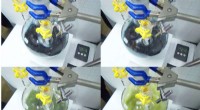
During reflux, you wait for the evaporated liquid to condense back into the mixture and repeat the reactions under heat to provide energy over an extended period. The vapors go through a continuous cycle of condensation and return to the flask as condensate to ensure the reaction's temperature stays stable. Large-scale industries, such as petroleum refineries, use refluxing.
Distillation and reflux may take place during the same process. Typically, a distillation column has a reflux stage where the vapor from the top of the column is condensed, and a portion of it returns to the top of the column to help with distillation.