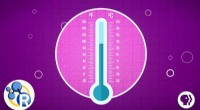
1. Thermal effects: Radio waves can cause thermal effects by heating up objects they interact with. High-power radio waves, like those used in some industrial processes and military applications, can generate enough heat to cause burns or even fires. However, low-power radio waves, like those emitted by cell phones and Wi-Fi routers, typically do not produce significant heating effects.
2. Biological effects on plants and animals: Some studies have shown that radio waves can have biological effects on plants and animals, particularly when exposed to high levels. These effects may include changes in growth patterns, behavior, and reproduction. However, the exact mechanisms behind these effects and their long-term implications are still not fully understood.
3. Effects on ecosystems: Radio waves can potentially affect ecosystems by altering the behavior of organisms that rely on electromagnetic signals for communication, navigation, and other essential processes. For example, some studies suggest that radio waves may disrupt the migratory patterns of birds and insects.
4. Radio frequency interference (RFI) and electromagnetic compatibility: Radio waves can interfere with the operation of other electronic devices, leading to problems such as signal disruption, noise, and malfunctions. This is known as radio frequency interference (RFI) and can be a significant concern in areas with high levels of radio wave emissions.
5. Human health: The NCI states that there is no convincing evidence that radio waves from cell phones, Wi-Fi, or other everyday devices cause adverse health effects in humans. However, some studies have suggested a possible link between long-term exposure to high levels of radio waves and certain health conditions, such as brain tumors and headaches. More research is needed to fully understand the potential health risks of radio waves.
Overall, while the environmental effects of radio waves can be varied, the research suggests that the main concerns tend to be related to thermal effects, biological impacts on plants and animals, potential effects on ecosystems, and radio frequency interference. Proper management, regulation, and mitigation strategies are crucial to minimize any adverse effects while utilizing the benefits of radio wave technologies.