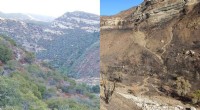
Wildfires are a natural part of many ecosystems, but they can also have a devastating impact on human health. The smoke from wildfires contains a variety of harmful pollutants, including particulate matter (PM), carbon monoxide (CO), nitrogen dioxide (NO2), and ozone (O3). These pollutants can cause a range of health problems, including respiratory problems, heart disease, and cancer.
Particulate matter (PM) is the most harmful component of wildfire smoke. PM is made up of small particles of soot, ash, and other chemicals that can be easily inhaled deep into the lungs. PM can cause respiratory problems such as asthma, bronchitis, and lung cancer.
Carbon monoxide (CO) is a colorless, odorless gas that is produced by the burning of fossil fuels. CO can cause headaches, dizziness, nausea, and vomiting. At high concentrations, CO can cause death.
Nitrogen dioxide (NO2) is a reddish-brown gas that is produced by the combustion of fossil fuels. NO2 can cause respiratory problems such as asthma, bronchitis, and emphysema.
Ozone (O3) is a colorless gas that is produced by the reaction of sunlight with other pollutants in the air. O3 can cause respiratory problems such as asthma, bronchitis, and emphysema.
The health effects of wildfire smoke can vary depending on a number of factors, including the concentration of pollutants in the air, the duration of exposure, and the individual's health status. Children, the elderly, and people with pre-existing respiratory or heart conditions are at greatest risk for health problems from wildfire smoke.
If you live in an area that is affected by wildfires, there are a number of things you can do to protect your health:
* Stay indoors. If you must go outside, wear a face mask or respirator to protect your lungs.
* Keep your windows and doors closed. This will help to keep the smoke out of your home.
* Use an air purifier. Air purifiers can remove pollutants from the air.
* Avoid strenuous activity. Strenuous activity can increase your breathing rate and draw more pollutants into your lungs.
* Drink plenty of fluids. Staying hydrated will help to keep your lungs healthy.
* See a doctor if you have any health problems. If you experience any respiratory problems, heart problems, or other health problems, see a doctor immediately.
Wildfire smoke is a serious health hazard. By taking precautions to protect yourself from smoke, you can reduce your risk of health problems.