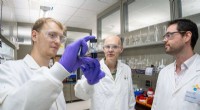
Chemistry in a relationship refers to the intense feelings of connection, passion, and romance that people share. This Valentine's Day, Dr. Alex Baker, a chemistry professor at the University of Warwick, explores the real chemistry behind chemistry. He explains how flowers and chocolates are as good as any love potion you could create to induce feelings of love.
According to Dr. Baker, four main chemicals are involved in love: dopamine, serotonin, adrenaline, and oxytocin.
Dr. Baker explains, "Interestingly, the structures of dopamine and adrenaline are very similar, only a few atoms of difference but a big difference in effect. Their chemistry is mimicked in medicines like amphetamine and salbutamol. The same reward centers in your brain are activated when you drink alcohol, so these are just different ways to reach the reward response."
"These chemicals aren't static, though; as the rollercoaster of love moves through the first meeting, the heartache, and into a long-term relationship, the presence of these chemicals changes the brain.
"For example, your serotonin levels recover, so you lose the anxiety and butterflies of love. How these chemicals fluctuate really impacts the emotions you feel—so I suppose is it love or just chemistry?"
So, based on the chemistry of love—it could be possible to produce a love potion. Dr. Baker explains, "One of the biggest issues from a biological perspective is how to get the chemicals, like dopamine, to the right place at the right time. This is a problem that stretches beyond hypothetical love potions to drug delivery to the brain.
"The other question to ask is, why not just buy chocolate and flowers instead of embarking on multimillion-pound love potion development? The phenethylamine in chocolate triggers dopamine release, while the flowers can trigger oxytocin release."
Provided by University of Warwick