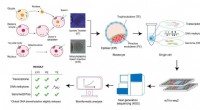
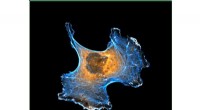
The human body contains approximately 15 trillion cells. These cells were created in a cell division process known as mitosis. During this process, a single cell separates and gives rise to two identical daughter cells. Mitosis consists of five stages: interphase, prophase, metaphase, telophase and anaphase. The activity of specialist structures such as the nucleolus is dependent upon the stage in the cell's life cycle.
The nucleolus is a structure found within the nucleus of cells that is composed of proteins and nucleic acids. The nucleolus is responsible for transcribing and manufacturing ribosomal RNA, which subsequently moves to ribosomes within the cytoplasm. The activity of the nucleolus differs depending upon the stage in the cell's life cycle. During interphase, the nucleolus is actively transcribing ribosomal RNA. However, from the prophase stage onwards, the nucleolus is disassembled as cell division takes place.