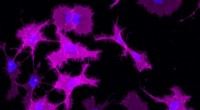
Telophase is the final phase of cell division that precedes cytokinesis, ensuring the accurate segregation of genetic material into daughter cells. Understanding telophase is essential for grasping how organisms maintain genomic stability and how errors can lead to disease.
During mitosis, telophase follows anaphase and is characterized by:
Once telophase is complete, cytokinesis splits the cytoplasm, yielding two genetically identical daughter cells that mirror the parent cell.
Meiosis consists of two consecutive divisions—Meiosis I and Meiosis II—each with its own telophase. The process produces four haploid cells that carry half the chromosome number of the original diploid cell.
| Feature | Mitosis Telophase | Meiosis Telophase |
|---|---|---|
| Number of Daughter Cells | 2 | 4 |
| Chromosome Number | Diploid (unchanged) | Haploid (half) |
| Purpose | Growth, repair, asexual reproduction | Sexual reproduction (gamete formation) |
Chromosomal non‑disjunction occurs when chromosomes fail to separate correctly during meiosis, producing gametes with an abnormal chromosome count. When such gametes fuse during fertilization, the resulting zygote may have:
These abnormalities can lead to miscarriage, developmental disorders, or congenital syndromes. The fidelity of telophase and subsequent cytokinesis is therefore critical for healthy reproduction.
Telophase ensures that each daughter cell receives a complete and accurate set of chromosomes, preserving genetic integrity across generations. Errors in this stage are a leading cause of aneuploidy and are studied extensively in fields such as developmental biology, genetics, and cancer research.