By Mary Dowd, Updated Mar 24, 2022
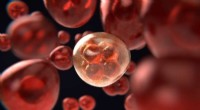
Embryonic stem cell (ESC) research is at the forefront of medical innovation, offering hope for treating conditions that currently lack effective cures. These cells possess unique regenerative properties that enable them to differentiate into any cell type in the human body, making them invaluable for both therapeutic and research applications.
Unlike most differentiated cells, ESCs are pluripotent, meaning they can give rise to the hundreds of specialized cells that make up human tissues. In vitro, a small population of ESCs can proliferate into millions of cells within months, providing researchers with a renewable supply for experiments (National Institutes of Health).
Within three to five days of fertilization, a blastocyst forms, harboring ESCs capable of becoming brain, nerve, skin, blood, and other cell types. In contrast, adult stem cells—such as hematopoietic cells in bone marrow—are limited to regenerating specific cell lineages and often accumulate mutations over time. Consequently, ESCs generally maintain a cleaner genetic profile and greater versatility for research.
The International Society for Stem Cell Research (ISSCR) highlights that ESC‑derived therapies have already improved outcomes for thousands of leukemia patients and are promising for a wide array of diseases, including Parkinson’s, diabetes, and spinal cord injuries.
Using human embryos for research raises profound moral questions: Is life established at conception? Should a blastocyst be afforded full human rights? Proponents argue that many donated embryos would otherwise be discarded and that ESC research could save lives. Critics emphasize the potential loss of human dignity. Balancing these perspectives is essential for responsible scientific progress.
These alternatives may reduce reliance on embryonic material while still enabling advanced therapeutic research.
The U.S. Food and Drug Administration (FDA) cautions against unapproved stem cell therapies, citing potential adverse events such as tumor formation, immune rejection, and misdirected differentiation. The FDA reports incidents—including vision loss following ocular injections—underscoring the need for rigorous clinical trials.
Federal funding policies have evolved, with current regulations permitting research on new ESC lines while limiting earlier, smaller lines. These shifts reflect the interplay between scientific advancement and public policy, shaped by changing societal values and political leadership.
For a deeper dive into stem cell structure and the latest research findings, consult reputable sources such as the NIH and the Mayo Clinic.