By Kimberly Yavorski Updated Mar 24, 2022
Jupiterimages/Photos.com/Getty Images
Plants and humans are both living organisms that depend on environmental factors for survival. Although they share fundamental cellular features, the structure and function of plant and human cells diverge in ways that are essential to each organism’s lifestyle.
Animal cells are typically smaller and have a flexible plasma membrane that permits the free exchange of gases, nutrients, and waste. Plant cells are larger and surrounded by a rigid cell wall composed of cellulose microfibrils, providing mechanical support comparable to steel. Because the wall blocks passive transport, plant cells rely on tiny channels called plasmodesmata for intercellular communication.
Vacuoles differ markedly between the two kingdoms. In plants, a single, large vacuole can occupy up to 90 % of the cell volume, maintaining turgor pressure and storing water, nutrients, and waste. Human cells contain smaller vacuoles that primarily sequester metabolic by‑products.
During division, both plant and animal cells undergo mitosis, but the presence of a cell wall requires plant cells to form a new membrane to separate the cytoplasm, whereas animal cells simply pinches the cytoplasm.
Plants synthesize their own food through photosynthesis, converting light, carbon dioxide, and water into glucose and oxygen. This process relies on chloroplasts—organelles containing stacks of thylakoids and grana—where light energy is captured and converted into chemical energy.
Humans must obtain nutrients from external sources. Cellular respiration, which occurs in the cytoplasm and mitochondria, breaks down glucose to produce ATP, the cell’s energy currency.
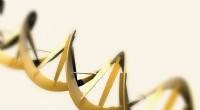
Both plant and human cells contain a nucleus composed of a nuclear membrane, nucleoplasm, nucleolus, and chromatin, as well as mitochondria, a Golgi apparatus, rough and smooth endoplasmic reticulum, ribosomes, and cytoplasm. DNA in both kingdoms is built from the same four nucleotides, though the sequences differ.
Both organisms rely on vascular systems to transport vital substances: humans use blood vessels, while plants distribute nutrients through xylem and phloem.
Plant cells are organized into three main tissue types—ground, dermal, and vascular—each performing a distinct role. Human tissues are far more varied, comprising over 200 cell types that form five primary tissues: epithelial, connective, nervous, muscular, and blood.
These specialized cells cooperate to meet the complex demands of growth, defense, movement, and reproduction.
Read more about the similarities and differences between plant and animal cells with a detailed chart.
Read more about the definition, function, and structure of vacuoles here.