All eukaryotes share complex cells with mitochondria, a nucleus, and membrane‑bound organelles. Yet their cell walls and metabolic pathways differ markedly.
Genomic analyses reveal that fungal proteins are more closely related to animal proteins than to plant proteins. For example, the protein sequence of the cellular slime mold Dictyostelium discoideum shares more than 80 % identity with human proteins, underscoring the close evolutionary ties between fungi and animals.
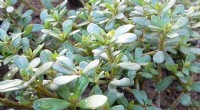
Plants possess chlorophyll, which gives them their green colour and powers photosynthesis. Neither fungi nor animals contain chloroplasts, so they rely on external sources for energy. Plant cell walls are composed mainly of crystalline cellulose, whereas fungal walls contain chitin, a tougher polysaccharide that also occurs in the exoskeletons of insects and the beaks of mollusks.
Chitin is a strong, flexible carbohydrate that provides structural support in fungi and arthropods. Studies have shown that treating fungal chitin with alkali containing nitrogen releases acetic acid, a reaction that does not occur with plant cellulose, highlighting a fundamental chemical distinction.
Animals produce cholesterol, fungi produce ergosterol, and plants synthesize phytosterols such as cycloartenol. Despite these differences, all three groups share lanosterol as a common precursor in their sterol biosynthetic pathways.
Phylogenomic data place fungi closer to animals than to plants, reflecting a shared ancestry that predates the divergence of multicellular organisms. The hypothesis that fungi evolved from algae has been challenged by evidence that early fungal ancestors lacked chlorophyll and that nitrogen‑fixing bacteria may have supplied their nutrients.
Fungi possess a distinctive translation elongation factor, EF‑3, which is absent in animals and plants. This molecular feature further emphasizes the distinct evolutionary path fungi have taken within the eukaryotic domain.
While plants, fungi, and animals share a common eukaryotic heritage, their differences in cell wall composition, photosynthetic capability, protein similarity, and evolutionary history illustrate the rich diversity of life.