By Drew Lichtenstein | Updated Mar 24, 2022
Image credit: Oscar Wong/Moment/GettyImages
While plants (Plantae) synthesize their own food via photosynthesis, every other major kingdom depends on external sources. They acquire nutrients either by ingesting food—using a mouth and digestive system—or by absorbing nutrients directly through their outer layers. Below we break down how each kingdom feeds itself.
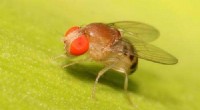
Multicellular animals possess a digestive tract that varies from a simple gut in nematodes to a highly specialized system in humans. The core components—mouth, intestine, and anus—are present across the kingdom, with additional structures such as stomachs, salivary glands, and liver in more complex species. Feeding strategies span carnivory, herbivory, and omnivory, reflecting the diverse ecological roles animals play.
Protists are single‑cell eukaryotes. Those that ingest food do so by phagocytosis, forming a pseudopodial “mouth” to engulf prey. Other protists, such as algae, absorb nutrients directly from their surroundings, harnessing light energy when photosynthetic. This dual strategy allows protists to thrive in varied environments.
Fungi are multicellular organisms that lack a digestive tract. Instead, they secrete enzymes onto their substrate and absorb the resulting soluble nutrients—a process known as external digestion. Mushrooms, molds, and truffles exemplify this mode of feeding, distinguishing fungi from plants, which digest internally.
Monera (bacteria and archaea) are single‑cell prokaryotes without a true nucleus. Many absorb nutrients directly through their cell membrane, while others—such as photosynthetic cyanobacteria—produce food internally. Some bacterial species act as parasites, siphoning nutrients from host organisms, which can lead to disease.
Understanding these feeding mechanisms helps clarify how life sustains itself across Earth’s diverse ecosystems.