Pichsakul Promrungsee/iStock/GettyImages
Nucleic acids—DNA and RNA—are the fundamental molecules that drive cellular function and life itself. They store, transmit, and interpret genetic information, enabling cells to grow, reproduce, and carry out specialized tasks. In short, nucleic acids define the identity and behavior of every cell and organism.
Nucleic acids are long‑chain macromolecules composed of repeating nucleotide units. The two main types are deoxyribonucleic acid (DNA) and ribonucleic acid (RNA). Each nucleotide consists of a sugar, a phosphate group, and a nitrogenous base—adenine (A), cytosine (C), guanine (G), and, for DNA, thymine (T); for RNA, uracil (U) replaces thymine.
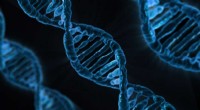
DNA serves as the hereditary blueprint that maintains and passes on the information necessary for cell survival and reproduction. Its dual functions are: 1) self‑replication during cell division, and 2) directing the transcription of RNA. Genes—specific DNA segments—encode the instructions for producing RNA and, ultimately, proteins. The double‑helical structure of DNA provides a robust, self‑redundant storage system, safeguarding genetic data across generations.
RNA is synthesized when the cell reads DNA genes and copies their sequences. In eukaryotic cells, messenger RNA (mRNA) carries genetic instructions from the nucleus to the ribosomes, the protein‑synthesizing machinery. Transfer RNA (tRNA) delivers amino acids to ribosomes, facilitating protein assembly. Some viruses use RNA as their hereditary material, demonstrating RNA’s versatility as a genetic carrier.
Identifying nucleic acids as the carriers of hereditary information unlocked the molecular basis of evolution and Mendelian genetics. This insight clarified how traits are inherited and how species evolve over time.
Genetic disorders arise when mutations in DNA create abnormal RNA transcripts, leading to dysfunctional proteins. Cancer frequently results from DNA damage or defects in replication and repair pathways. By mastering nucleic acid biology, researchers can diagnose, treat, and potentially cure a wide array of diseases.