Plants are the cornerstone of life, converting sunlight and inorganic compounds into the energy that fuels ecosystems. Within the Kingdom Plantae, seed plants are broadly divided into two major groups: angiosperms and gymnosperms. Understanding their distinctions and commonalities offers insight into plant evolution, ecology, and agriculture.
Angiosperms (from the Greek for "vessel" and "seed") are flowering plants that produce seeds enclosed within a fruit or ovary. They encompass a vast array of woody hardwoods, fruit trees, and garden flowers.
Gymnosperms (Greek for "naked seed") are seed-bearing plants that lack flowers and fruit. Their seeds develop on exposed cone scales or leaf surfaces, and they include conifers, cycads, ginkgoes, and gnetophytes.
Plant life originated from simple algae in the oceans. The earliest terrestrial plants were non‑vascular mosses and liverworts that reproduced via spores. As vascular tissues evolved, plants grew taller and more robust, leading to seedless vascular species like ferns and horsetails.
Gymnosperms emerged during the Paleozoic Era, adopting a strategy of dispersing naked seeds through wind. Angiosperms followed in the Mesozoic Era, evolving complex vascular systems, true flowers, and protective fruits—an adaptation that accelerated their spread across diverse habitats.
Both angiosperms and gymnosperms are advanced vascular plants that reproduce via seeds. They are eukaryotic, possessing membrane‑bound nuclei, and they thrive as terrestrial land plants.
Angiosperms are distinguished by their flowers, which attract animal pollinators, and by producing seeds enclosed within fruits. Their leaves are typically flat and deciduous, shedding in response to seasonal changes.
Gymnosperms produce naked seeds on cones or leaf scales, often retaining needle‑like evergreen foliage. Their pollination is predominantly wind‑driven, and their wood is classified as softwood.
| Feature | Angiosperms | Gymnosperms |
|---|---|---|
| Vascularity | All are vascular plants | All are vascular plants |
| Reproduction | Seeds within fruit or flower | Naked seeds on cones or leaves |
| Wood type | Hardwood | Softwood |
| Pollination | Animal and wind/water | Primarily wind |
| Leaf structure | Flat leaves | Needle‑like leaves |
| Seasonality | Deciduous | Evergreen |
Angiosperm flowers house male stamens (producing pollen on anthers) and a female pistil. When pollen reaches the pistil, a pollen tube guides a generative cell to the ovary’s embryo sac, where double fertilization occurs—one sperm fertilizes the egg, the other forms endosperm. The resulting fertilized ovules mature into seeds, protected within fruit.
Gymnosperm sporophytes produce separate male and female gametophytes. Male cones release pollen that is carried by wind to female cones. Fertilization within the female cone generates a seed on a cone scale.
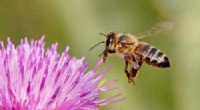
Angiosperms employ a mix of biotic pollinators (birds, bees, butterflies) and abiotic vectors (wind, water). Gymnosperms rely almost exclusively on wind to transfer pollen, reflecting their ancient lineage.
Gymnosperms such as cycads, ginkgos, and gnetophytes trace back to the era of dinosaurs, with some fossils dating over 145 million years old. For instance, the Welwitschia mirabilis can live up to 1,500 years, and genetic studies suggest a close relationship between gnetophytes and early angiosperms, hinting at a possible evolutionary bridge.
Understanding these plant groups enriches our appreciation of biodiversity and informs sustainable use in horticulture, forestry, and conservation.