All life on Earth falls into two major domains: Prokaryota and Eukaryota. Prokaryotes—Bacteria and Archaea—are largely single‑celled organisms that replicate asexually through binary fission, producing genetically identical progeny. In contrast, eukaryotes—animals, plants, fungi, and many protists—possess a membrane‑bound nucleus, multiple organelles, and typically reproduce through sexual or mitotic means. Nonetheless, a handful of eukaryotic lineages retain binary‑like division strategies.
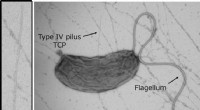
Prokaryotic cells carry a single, often circular, DNA chromosome within the cytoplasm, surrounded by ribosomes that synthesize proteins. Their simplicity allows rapid, unidirectional growth and division via binary fission, where the chromosome is replicated and the cell splits into two identical daughters.
Eukaryotic cells feature a true nucleus housing multiple linear chromosomes and a suite of membrane‑bound organelles—mitochondria, endoplasmic reticulum, Golgi apparatus, and, in plants, chloroplasts. These structures support both aerobic and anaerobic respiration, enabling larger body plans. Eukaryotic division is a coordinated process: DNA replication, mitosis, and cytokinesis occur in sequence, ensuring genetic fidelity and cell size regulation.
While binary fission most commonly refers to the split of a single‑cell organism into two daughters, the term broadly describes any asexual duplication that yields two discrete entities. In eukaryotes, the cell first amplifies its genetic and organelle content; then, during mitosis, the duplicated chromosomes segregate before the cytoplasm divides.
A eukaryotic cell progresses through four main phases:
During mitosis, the nuclear envelope dissolves, sister chromatids are pulled apart, and new nuclear membranes form around the two identical nuclei. Cytokinesis typically begins in anaphase and completes after telophase, finalizing the division.
Many protozoans—such as amoebae and paramecia—retain a prokaryote‑like simplicity but possess organelles. They often reproduce via binary fission rather than mitosis. Several distinct modes exist: