An ecosystem is a dynamic community where organisms and their environment interact, encompassing both biotic and abiotic factors.
While matter is conserved, energy is not; it continuously moves through the ecosystem, entering as sunlight and eventually dissipating as heat.
Before energy exits as heat, it travels from one organism to the next in a process called energy flow. This flow, driven by solar input, underpins every ecological interaction.
Energy flow refers to the transfer of solar energy up the food chain. Each step is a trophic level, starting with producers that capture light and end with apex predators.
First trophic level: producers (autotrophs) convert solar energy into chemical energy via photosynthesis. Second level: primary consumers (herbivores) feed on producers. Subsequent levels host secondary and tertiary consumers, and so on.
Understanding energy flow requires familiarity with several terms:
NPP varies with sunlight, nutrients, soil quality, temperature, moisture, and CO₂ levels.
Energy enters via sunlight, is converted to chemical energy by producers, and then transferred through the food chain as organisms consume one another. For example, grass photosynthesizes, a beetle eats the grass, a bird eats the beetle.
Only about 10% of energy moves from one trophic level to the next; the remaining 90% dissipates as heat. This inefficiency stems from:
Because of the 10% rule, the base of the pyramid (producers) holds the greatest energy and biomass, while higher levels are progressively smaller in both metrics.
Without primary producers, no usable energy would enter the system, leading to collapse.
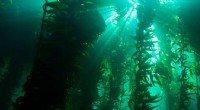
In a temperate forest, sunlight powers producers such as trees, grasses, and vines. Herbivores (deer, insects, squirrels) consume these producers, while predators (foxes, wolves, birds of prey) feed on the herbivores. Decomposers like worms and fungi break down dead matter, recycling nutrients.
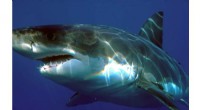
Coral reefs rely on microscopic plankton and algae as primary producers. Herbivorous fish and invertebrates consume them, and larger predators (sharks, barracuda) occupy higher trophic levels. Decomposers—including sea cucumbers and bacteria—process detritus and dead organisms.