Siri Stafford/Photodisc/Getty Images
Nearly every cell in the human body carries DNA, so the main hurdle in obtaining genetic material from a living person is simply securing their consent. For example, if you’re curious whether your unusually high Neanderthal ancestry derives from your mother or father, you can request a commercial DNA kit from either parent. They would provide a saliva sample or a cheek swab, which a laboratory then processes to generate a detailed genetic profile. Other bodily cells can also be used for DNA testing, depending on the context and required resolution.
Forensic laboratories routinely extract DNA from hair follicles, saliva, white blood cells, and sperm found at crime scenes. Many accredited labs also accept urine, feces, and vomit for genetic analysis.
DNA is housed within the nucleus of a cell and encodes the blueprint that directs all cellular activity. In addition, a modest amount of DNA resides in the mitochondria—organelles that produce energy. Mitochondrial DNA (mtDNA) is inherited exclusively from the mother, making it a valuable tool for tracing maternal lineages.
The DNA molecule is a polymer of nucleotides, each comprising a phosphate group, a sugar, and one of four nitrogenous bases—adenine (A), thymine (T), guanine (G), or cytosine (C). The sequence of these bases along the double‑helical strands carries the biological instructions that govern inherited traits, cellular growth, and overall function.
The National Human Genome Research Institute (NHGRI) estimates that the human genome contains roughly 3 billion base pairs and about 20 000 protein‑coding genes. With the astronomically large number of possible base‑pair combinations, each individual’s DNA is distinct—except in the case of identical twins. It’s also worth noting that not every cell contains a nucleus; dead cells such as skin flakes, hair shafts, and nails lack nuclear DNA and therefore are unsuitable for profiling.
A DNA profile is constructed by analyzing short tandem repeat (STR) markers—short sequences of DNA that repeat at specific loci. Each person inherits one allele from each parent at every marker. The National Institute of Standards and Technology (NIST) reports that the likelihood of two unrelated individuals sharing the same pattern at 13 or more loci is less than one in a trillion.
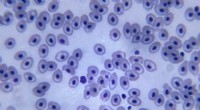
Which blood cell is chosen for profiling depends on whether the cell retains a nucleus. Mature red blood cells discard their nuclei to maximize oxygen delivery, rendering them unsuitable for DNA extraction. Other blood constituents, such as leukocytes, contain nuclei and provide ample DNA for analysis. Hair samples are most informative when the root is present; the keratinized shaft lacks nuclei, but the root tissue contains nuclear DNA.
Every person’s DNA is unique, which forensic scientists exploit to identify victims and perpetrators. By comparing the DNA profile of a suspect with evidence recovered from a crime scene—or with a database of known offenders—investigators can confirm or exclude potential links. The National Institute of Justice (NIJ) stresses that only specific cell types, like white blood cells, yield sufficient DNA for reliable identification. Strict protocols govern the collection, storage, and analysis of DNA evidence to maintain chain‑of‑custody integrity.
Common sources of DNA at crime scenes include: