By Kevin Beck | Updated Aug 30, 2022
Cells are the fundamental units of life, each containing DNA, a membrane, cytoplasm, and ribosomes. They form the basis of all living organisms—from single‑cell bacteria to complex multicellular eukaryotes. Understanding and quantifying cells is essential in research, diagnostics, and public health.
Cells contain four core components: DNA (the genetic blueprint), a plasma membrane, cytoplasm, and ribosomes for protein synthesis. Prokaryotes (bacteria and archaea) lack membrane‑bound organelles, while eukaryotes (animals, plants, fungi) possess organelles such as mitochondria and chloroplasts. These structural differences enable simple identification under a microscope.
Measuring cell density informs us whether a sample contains harmful microbes and, if so, how many. This data guides decisions in clinical diagnostics, food safety, and environmental monitoring. For example, dairy producers must meet regulatory limits on bacterial loads to ensure product safety.
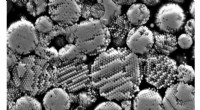
The compound light microscope—using two objective lenses—provides high magnification for single‑cell analysis but lower resolution, making it ideal for counting individual cells. In contrast, a dissection or stereomicroscope offers lower magnification with higher resolution, suitable for examining cell aggregates. Selecting the right microscope depends on the sample type and required field of view.
Three principal methods are used in microbiology:
A hemocytometer—originally designed for blood cell counts—provides a standardized chamber for accurate cell enumeration. Before each use, clean the chamber to eliminate contamination and ensure reproducible results. While automated counters exist, a well‑maintained hemocytometer remains a gold standard for many laboratories.