By Chris Deziel | Updated Aug 30, 2022
Cellular respiration is the process by which living organisms convert glucose and oxygen into usable energy in the form of adenosine triphosphate (ATP). This ATP can then power biochemical reactions, support DNA and RNA synthesis, and sustain cellular functions.
One glucose molecule reacts with six oxygen molecules to yield six carbon dioxide molecules, six water molecules, and up to 38 ATP molecules:
C6H12O6 + 6O2 → 6CO2 + 6H2O + 36–38 ATP
While the overall reaction is a single equation, the process unfolds in four distinct phases that together maximize ATP production:
Occurs in the cytoplasm. A single glucose (C6H12O6) is split into two molecules of pyruvic acid (C3H4O3), generating a net gain of two ATP molecules and two NADH.
Pyruvate enters the mitochondrion and is converted into acetyl‑CoA, producing NADH and releasing CO2.
Acetyl‑CoA enters the Krebs cycle, where each turn generates 3 NADH, 1 FADH2, 1 GTP (converted to ATP), and two CO2 molecules.
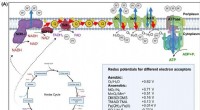
Located in the inner mitochondrial membrane, this complex transfers electrons from NADH and FADH2 to oxygen, pumping protons to create a gradient that drives ATP synthase. This stage produces the bulk of ATP—approximately 28–30 molecules per glucose.
When fats or proteins serve as the energy source, they are first broken down into acetyl‑CoA (fats via β‑oxidation; proteins via deamination of amino acids) and then enter the Krebs cycle, yielding comparable ATP totals.
Maximum theoretical yield: 38 ATP per glucose. Practical yield in eukaryotes is typically 36 ATP due to shuttle inefficiencies.
Reference: Lehninger Principles of Biochemistry, 7th Edition, 2018.