By Roxann Schroeder
Updated Aug 30, 2022
Cell division is the fundamental process that generates new cells. A single “mother” cell divides to produce two “daughter” cells, each inheriting the necessary genetic and cellular machinery.
When the daughter cells receive the same number of chromosomes as the parent, the division is called mitosis. In contrast, meiosis reduces the chromosome count by half, creating gametes (eggs and sperm) for sexual reproduction.
Chromosomes consist of double‑helix DNA wrapped around proteins. During the S‑phase, the DNA unwinds and complementary strands are synthesized, duplicating each chromosome so that two identical sets are available for distribution.
New lipids and phospholipids are synthesized in the endoplasmic reticulum (ER). Vesicles transport these molecules to the plasma membrane, ensuring sufficient surface area to encapsulate both daughter cells during cytokinesis.
Cells continuously produce proteins, many of which are assembled before division. Key proteins form the mitotic spindle, guiding chromosome segregation, while others build a contractile ring that constricts the cell membrane to separate the two new cells.
While each daughter cell receives an exact copy of every chromosome, other organelles such as the ER, Golgi apparatus, and mitochondria are distributed randomly. This variability does not impair the fundamental functions of the daughter cells.
After chromosomes are accurately partitioned, the contractile ring tightens, gradually dividing the cytoplasm. This final step, known as cytokinesis, completes the separation into two distinct cells that can grow and eventually reenter the cell cycle.
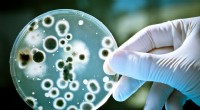
Binary fission is the asexual reproduction strategy of prokaryotes. It mirrors mitosis in that a single cell duplicates its DNA and splits into two identical daughter cells. Because prokaryotes lack complex organelles, the process is comparatively simple and does not involve meiosis.