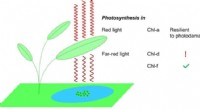
In the living world, plants harness sunlight to produce glucose through photosynthesis, and animals, plants, and many microorganisms convert that glucose into usable energy via cellular respiration. This process generates adenosine triphosphate (ATP), the universal energy currency of all cells.
Plants absorb light energy, carbon dioxide, and water to synthesize glucose and release oxygen. The overall equation is:
6 CO₂ + 12 H₂O + light energy → C₆H₁₂O₆ + 6 O₂ + 6 H₂O
Glucose stores chemical energy but cannot be used directly by most cells.
Cellular respiration transforms glucose and oxygen into carbon dioxide, water, and ATP:
C₆H₁₂O₆ + 6 O₂ → 6 CO₂ + 6 H₂O + ATP
The process occurs in three stages, each occurring in the cytoplasm or mitochondria.
Glycolysis takes place in the cytoplasm. One glucose molecule (six carbons) is divided into two pyruvate molecules (three carbons each). Two ATP molecules are invested, but four are produced, netting a gain of two ATP per glucose.
Pyruvate is transported into mitochondria and converted into acetyl‑CoA, which enters the citric acid cycle. Each turn of the cycle releases two CO₂ molecules, produces one ATP, and generates NADH and FADH₂ by reducing NAD⁺ and FAD.
The inner mitochondrial membrane hosts the electron transport chain (ETC). Electrons from NADH and FADH₂ flow through protein complexes, pumping protons into the intermembrane space and creating a proton gradient.
Oxygen serves as the final electron acceptor, combining with protons to form water. The proton gradient drives ATP synthase to produce the bulk of ATP—approximately 32 molecules per glucose.
ATP consists of an adenine base linked to three phosphate groups. The high‑energy bonds between phosphates store chemical energy. When a cell needs energy, it hydrolyzes ATP to ADP and inorganic phosphate, releasing energy that fuels cellular processes.
Understanding these steps illuminates how every cell in your body, from muscle fibers to neurons, derives the energy needed for life.