Prokaryotes—bacteria and archaea—are the most abundant life form on Earth. They are unicellular, lack membrane‑bound organelles, and have no true nucleus. Unlike eukaryotes, prokaryotes reproduce asexually by binary fission, which produces genetically identical offspring.
Because asexual reproduction generates little genetic variation, prokaryotes rely on horizontal (lateral) gene transfer to diversify their genomes. Three main mechanisms—transformation, conjugation, and transduction—enable DNA to move between cells of the same generation.
Prokaryotes increase genetic diversity through transformation, conjugation, and transduction. Transduction, mediated by bacteriophages, is pivotal for antibiotic resistance spread and biotechnological applications.
Discovered in the 1950s by Norman Zinder and Joshua Lederberg while studying Salmonella, transduction allows bacteriophages (phages) to transfer bacterial DNA from one host to another.
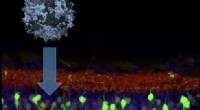
Phages attach to a bacterial cell, inject their genome, and hijack the host’s replication machinery to produce new viral particles. During this process, fragments of host DNA can be mistakenly packaged into some phage capsids. After the host lyses, these “packaged” phages carry bacterial DNA to a new recipient cell.
If the transferred DNA integrates into the recipient’s chromosome, the genes are expressed as if they were native. Because the donor and recipient are of the same species, the newly acquired traits can spread rapidly across a population.
Transduction can disseminate resistance genes—such as those encoding efflux pumps or modified drug targets—throughout bacterial communities. Once a single resistant cell transfers its gene, the entire population can become resistant, complicating treatment strategies.
Beyond its role in resistance, controlled transduction is a valuable tool in molecular biology. Researchers use phage-mediated gene delivery to:
Collectively, these mechanisms drive rapid evolution and adaptation in prokaryotes, enabling them to thrive in diverse ecological niches.