Phenotypes encompass all observable traits of an organism—size, hair color, mating behavior, movement patterns, and more. These traits can shift as environmental conditions change or as the organism adapts over time.
A population’s phenotype may evolve collectively when food sources, diets, or predator pressures change.
While environmental factors influence phenotypes, the underlying blueprint is DNA. Genes that are expressed produce proteins that manifest as observable characteristics.
The genotype provides the foundation, but the phenotype reflects how those genetic instructions are realized in the organism’s appearance and behavior.
A successful phenotype boosts survival and reproduction, allowing the genotype to be transmitted to future generations, even though the phenotype itself is not inherited.
The interaction between genotype and phenotype can generate organisms better suited to their surroundings.
The organism’s DNA supplies the potential, but expression varies across cells, influenced by gene expression and environmental cues.
The main factors that shape phenotype are:
The presence of a gene permits a trait, but the actual expression depends on allele variants. Sexual reproduction introduces two alleles per locus, which may be dominant or recessive.
If an organism carries at least one dominant allele, the dominant phenotype appears; two recessive alleles produce the recessive phenotype.
For example, human eye color is governed by multiple genes; dark variants are dominant over light variants.
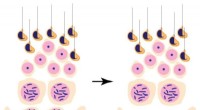
Even with the right genotype, a trait appears only when its gene is active. Epigenetics modulates gene expression without altering the DNA sequence.
Factors such as nutrients, age, and intercellular signals influence whether a gene is transcribed into mRNA, then translated into protein.
This dynamic regulation allows traits like hair color to shift during an organism’s life, despite unchanged DNA.
External conditions can alter phenotype outright—e.g., temperature-sensitive fur in Siamese cats changes color with ambient temperature.
Environmental inputs also affect gene expression by modulating the availability of nutrients and cellular energy, thereby influencing trait intensity.
While genotype provides the blueprint, phenotype captures the real-world manifestation shaped by environment and life experiences.
Genetic predispositions can lead to disease only when environmental triggers are present; lifestyle choices and exposures determine whether the disease manifests.
Natural selection favors phenotypes that confer adaptive advantages, reshaping genotype frequencies in the population over time.