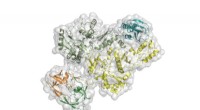
p53, encoded by the TP53 gene on chromosome 17, is a pivotal transcription factor that safeguards our genome. It detects DNA damage, activates repair mechanisms, and, when necessary, triggers cell‑cycle arrest or programmed cell death. In approximately 50% of human cancers, p53 is either inactivated or mutated, turning it from guardian into a contributor to tumor growth.
After mitosis, a eukaryotic cell re‑enters interphase, comprising G1, S, and G2 stages. During G1, the cell prepares for DNA replication; S phase duplicates the genome; and G2 performs a final quality‑control check. Mitosis then follows, consisting of prophase, prometaphase, metaphase, anaphase, and telophase, culminating in cytokinesis. Each phase is regulated by checkpoints that ensure fidelity before progression.
The wild‑type p53 protein actively suppresses tumors. Mutant variants not only lose this function but can dominate over the normal protein and even promote oncogenesis. Tumors harboring mutant p53 are notoriously resistant to conventional chemotherapy, underscoring the clinical significance of maintaining functional p53.
Under normal conditions, p53 binds to DNA sequences in the nucleus, inducing transcription of p21CIP. p21 inhibits cyclin‑dependent kinase 2 (CDK2), pausing the cell cycle at the G1/S checkpoint. Mutant p53 fails to bind DNA, preventing p21 induction and allowing unchecked proliferation.
p53 acts as a sentinel at key checkpoints. At the G1/S transition, it can halt the cycle if DNA is damaged, providing time for repair. If damage is irreparable, p53 redirects the cell toward senescence or apoptosis, thereby preventing the propagation of mutations.
DNA lesions—whether from ultraviolet light, chemical mutagens, or spontaneous errors—activate p53. By inducing cell‑cycle arrest and DNA repair pathways, p53 limits the accumulation of oncogenic mutations. This function is critical because mutations passed to daughter cells can drive malignant transformation.
Repeated cell divisions shorten telomeres, which signal p53 to initiate senescence—a state of permanent growth arrest. Senescence protects tissues from tumorigenesis in aging organisms by preventing the proliferation of cells with accumulated DNA damage.
When repair is impossible, p53 upregulates pro‑apoptotic genes, orchestrating the orderly elimination of damaged cells. Apoptosis is essential for normal development and for removing cells that pose a cancer risk.
Beyond direct DNA damage, p53 counteracts indirect oncogenic influences such as the human papillomavirus (HPV), which can inhibit p53 activity and elevate cervical cancer risk. The combined action of p53, senescence, and apoptosis is therefore fundamental to cancer suppression.
While p53 responds to oncogenic signals by arresting the cell cycle and facilitating repair, the retinoblastoma (Rb) pathway also enforces checkpoints, primarily at the G1/S transition. Together, they form a robust network that maintains genomic integrity; failures in either pathway can lead to tumorigenesis.
Related article: 5 Recent Breakthroughs That Show Why Cancer Research Is So Important
Related article: Where are Stem Cells Found?
Related article: Amino Acids: Function, Structure, Types