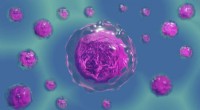
The endoplasmic reticulum (ER) is a central manufacturing hub of the eukaryotic cell, producing essential biomolecules such as proteins and lipids. It occupies over half of a typical animal cell’s membrane surface, underscoring its vital role in cellular physiology.
The ER consists of a continuous phospholipid membrane folded into a complex network of cisternae (flattened sacs) and tubules. This arrangement creates a vast lumen—approximately 10% of the cell’s volume—filled with a fluid environment that facilitates enzymatic reactions.
The RER is the cell’s protein‑synthesis factory. Ribosomes, the cell’s translational machinery, dock onto the RER membrane and translate mRNA transcripts copied from nuclear DNA. Newly synthesized polypeptide chains are threaded into the ER lumen where they fold into functional conformations, often receiving post‑translational modifications such as glycosylation.
Proteins destined for secretion or for residence in organelles are packaged into vesicles that bud off the RER, travel to the Golgi apparatus for further processing, and ultimately reach their final destinations.
Because the RER is physically connected to the nuclear envelope, it can rapidly adjust protein synthesis rates in response to cellular demands or stress signals.
Correct protein folding is essential; misfolded proteins can trigger cellular dysfunction and disease. The ER employs the Unfolded Protein Response (UPR), a tri‑phasic signaling cascade that:
Persistent ER stress may culminate in apoptosis, safeguarding tissue integrity.
The SER specializes in lipid metabolism. It synthesizes phospholipids, cholesterol, and steroid hormones (e.g., estrogen, testosterone) critical for plasma membrane integrity and endocrine signaling.
In hepatic cells, the SER mediates detoxification by conjugating toxins, rendering them water‑soluble for excretion. It also facilitates gluconeogenesis, the generation of glucose from non‑carbohydrate substrates during energy deficit.
Muscle cells (cardiac and skeletal) contain a modified SER known as the sarcoplasmic reticulum. It sequesters Ca²⁺ ions, enabling rapid contraction and relaxation cycles. Dysfunctions in this system are linked to cardiomyopathies and muscular disorders.
The ER’s architecture is fluid, allowing it to adapt to cellular needs. For example, secretory cells expand RER cisternae to meet high protein output, while neurons and muscle cells favor SER tubules due to lower secretory demand.
ER networks can reorganize during mitosis and respond to cytoskeletal cues, ensuring equitable distribution between daughter cells.
Chronic ER stress and UPR dysregulation are implicated in a spectrum of conditions, including:
Viruses often exploit the ER’s protein‑synthesis machinery, remodeling its structure to create replication organelles, a strategy observed in dengue and SARS‑CoV‑2 infections.
Understanding ER biology is essential for developing therapeutics targeting protein folding disorders and viral replication.