Rost-9D/iStock/GettyImages
All living organisms are composed of four fundamental macromolecules: proteins, nucleic acids (DNA and RNA), lipids, and carbohydrates. Each class is built from distinct monomers that assemble into complex, functional structures.
The unique properties and conformations of these macromolecules confer specialized roles within cells. Proteins act as molecular machines that catalyze and regulate biochemical reactions. Nucleic acids store and transmit genetic information. Lipids create impermeable barriers, while carbohydrates serve as readily accessible energy sources.
Life’s architecture rests on four macromolecules: proteins, nucleic acids, lipids, and carbohydrates.
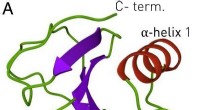
Proteins, composed of amino acid chains, function as the cellular workforce, executing tasks from structural support to enzymatic catalysis. Their precise folding forms motor proteins and cytoskeletal frameworks that maintain cell shape and facilitate intracellular transport. Enzymes—specialized proteins—accelerate chemical reactions, enabling the synthesis and degradation of biomolecules.
DNA, a double‑helical polymer of nucleotides, contains the blueprint for all cellular components. It is transcribed into messenger RNA, which is translated into proteins. RNA is single‑stranded and includes the nucleoside uracil, absent from DNA. This complementary relationship ensures accurate information transfer and protein synthesis.
Lipids comprise a diverse group of hydrophobic molecules, including fatty acids, triglycerides, phospholipids, and cholesterol. Their nonpolar nature makes them impermeable to water, allowing them to form the lipid bilayer that defines cell membranes. This barrier regulates molecular traffic and preserves cellular integrity.
Carbohydrates range from simple monosaccharides to complex polysaccharides. Plants synthesize glucose via photosynthesis, which is then converted into sucrose or incorporated into structural polysaccharides like cellulose. In animals, sugars are rapidly metabolized to produce ATP, serving as a quick energy reservoir.