By Emilia Lamberto, updated Aug 30, 2022

Before the microscope, science recognized only two kingdoms—plants and animals. Modern taxonomy now divides life into six distinct kingdoms: Protista, Animalia, Archaebacteria, Plantae, Eubacteria, and Fungi. Each kingdom occupies unique habitats, from the planet’s most hostile environments to the everyday surfaces we touch.
Protists are microscopic eukaryotes that fall outside the other five kingdoms. They thrive in aquatic settings—freshwater lakes, ponds, creeks, and marine environments such as oceans and estuaries. Common examples include Euglena, Plasmodium, and Amoeba, all of which rely on water for mobility and reproduction.
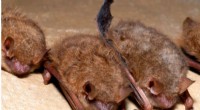
The Animalia kingdom is the most diverse, encompassing over one million species—from microscopic plankton to massive whales. Animals occupy virtually every niche on Earth: polar ice caps, deep oceans, lush rainforests, arid deserts, and even the human body. Their adaptability illustrates the kingdom’s ecological breadth.
First identified in the hot springs of Yellowstone National Park, archaebacteria specialize in extreme environments. They thrive in anaerobic conditions, high salinity, high acidity, and temperatures above 100 °C. Halophiles, methanogens, and other archaebacterial taxa are often the pioneers of Earth’s harshest ecosystems, suggesting they may be among the planet’s oldest life forms.
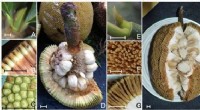
Plants dominate Earth’s terrestrial landscape, ranging from towering trees and dense forests to low‑lying ferns and mosses. While the majority are land‑based, many aquatic species—such as water lilies and submerged algae—also flourish in fresh or saltwater habitats. Their capacity to photosynthesize fuels global ecosystems and sustains the planet’s oxygen supply.
Eubacteria, also known as true bacteria, coexist with archaebacteria in a broad array of environments. From the human gut to the soil beneath our feet, they are ubiquitous. While many eubacteria are harmless or even beneficial—such as those aiding digestion—pathogens like Streptococcus and Escherichia coli pose health risks. Research from Imperial College London indicates that bacterial cells outnumber human cells in the body, underscoring their integral role.
Fungi—including mushrooms, molds, yeasts, and mildews—rely on decaying organic matter for nutrition. Their primary habitats are woodlands, meadows, and other terrestrial zones rich in plant debris. However, fungi also colonize marine environments, lakes, and even microscopic crevices on electronics. Some species grow on animal and human feces, playing crucial roles in nutrient recycling.