Sinhyu/iStock/GettyImages
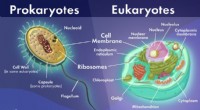
Unlike sexually reproducing organisms that possess two chromosome sets, most prokaryotes—such as bacteria—carry only a single chromosome. This limited genetic architecture still allows them to diversify rapidly through three sophisticated DNA‑sharing strategies: transduction, transformation, and conjugation.
Genetic recombination is the process by which DNA segments move between cells, creating new genetic combinations that can enhance survival. In bacteria, this mechanism complements random mutations by enabling the rapid spread of advantageous traits—like antibiotic resistance—across populations, even between species.
During transduction, bacteriophages (viruses that infect bacteria) act as unwitting courier services. When a phage infects a host cell, it injects its own genome and hijacks the bacterial machinery to replicate. Occasionally, fragments of the host’s DNA are mistakenly packaged into new viral particles. When these phages subsequently infect another bacterium, they deliver the host DNA, which can integrate into the recipient’s genome and propagate beneficial genes.
Transformation relies on bacterial competence—a temporary physiological state that equips cells to take up free DNA from their environment. Competent bacteria can engulf plasmids or chromosomal fragments, incorporate them into their chromosomes, and express new traits. Scientists exploit this natural process to introduce engineered DNA, enabling the creation of tailor‑made microbial strains for research and industrial applications.
Conjugation is often described as bacterial “mating.” It requires direct cell‑to‑cell contact, typically via a pilus. Donor cells harboring an F‑plasmid (fertility plasmid) transfer a single DNA strand through the pilus to a recipient that lacks the plasmid. DNA polymerase then synthesizes the complementary strand, forming a double‑stranded plasmid within the recipient. In some cases, the donor also transfers portions of its chromosomal DNA, further expanding genetic diversity.