By JOHN S • Updated Aug 30, 2022
Photokanok/iStock/GettyImages
The microscope magnifies objects too small for the naked eye, making it a cornerstone of scientific progress. Its impact spans medicine, ecology, forensics, genetics, and atomic research, providing unparalleled insights into the microscopic world.
In clinical settings, pathologists use microscopes to detect abnormal cells—such as the crescent‑shaped erythrocytes seen in sickle cell disease—allowing early diagnosis and targeted treatment.
Field biologists employ microscopy to analyze samples from oceans, wetlands, and forests. By counting and identifying microorganisms, they assess ecosystem vitality, detect emerging threats, and map species interactions.
Microscopes reveal details invisible to the naked eye, from hair strands to fiber composition. This precision evidence underpins legal investigations, helping establish facts with scientific rigor.
Histologists rely on high‑magnification microscopy to examine tissue sections. This technique is vital for detecting cancerous changes, guiding biopsy decisions, and monitoring treatment response.
The advent of the atomic force microscope (AFM) allows scientists to visualize individual atoms and molecules. AFM has become indispensable for studying viral structures, enabling researchers to design novel antiviral strategies and understand protein‑cell interactions at the nanoscale.
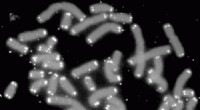
Microscopy is integral to genetic research, enabling visualization of chromosomal aberrations, DNA repair mechanisms, and cellular differentiation. These observations inform the development of future therapies and preventive measures.