By Jacob Stutsman – Updated Aug 30, 2022
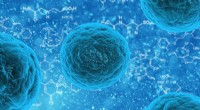
While the plasma membrane safeguards a cell and gives it shape, it also serves as a gateway to the outside world. Key proteins embedded in or anchored to this membrane orchestrate interactions with neighboring cells, extracellular molecules, and the broader organism.
Cell surface proteins are integral or peripheral proteins that span or lie within the lipid bilayer of eukaryotic cells. Many of these proteins are glycoproteins, bearing carbohydrate chains on their extracellular domains that modulate recognition and signaling.
Passive transporters, such as channel proteins, allow solutes to move along their concentration gradient without energy input. In contrast, active transporters harness ATP or other energy sources to move molecules against a gradient, ensuring precise cellular homeostasis.
Recognition proteins identify self versus non‑self, while communication proteins form junctions that facilitate signal exchange between adjacent cells. Adhesive proteins anchor cells to each other and to the extracellular matrix, maintaining tissue integrity.
Receptor proteins embedded on the cell surface bind extracellular signaling molecules—including hormones, neurotransmitters, and growth factors—triggering intracellular cascades that adjust cellular behavior to the organism’s needs.
Membrane‑associated enzymes catalyze reactions essential to cell function, such as ligand processing or ion transport, accelerating processes that would otherwise be prohibitively slow.
These roles are detailed in foundational cell biology texts and are essential for understanding normal physiology and disease.