Biological succession describes the natural, progressive transformation of ecosystems over time. Ecologists refer to the individual phases of this development as seral stages, while the entire continuum is called a sere.
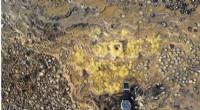
Primary succession marks the first colonization of a lifeless substrate—such as bare rock—by organisms that eventually build a functional ecosystem. The process begins with lichens and micro‑organisms that weather rock into the first thin layer of soil. Only when a rudimentary soil matrix exists can vascular plants take root. Because rock weathering is gradual, primary succession can span thousands of years.
Secondary succession occurs in areas where soil already exists, following a disturbance that clears vegetation—such as fire, volcanic activity, or human clearing. The presence of established soil allows pioneer species to establish quickly, accelerating the recovery of the ecosystem compared to primary succession.
The initial seral stage is called a pioneer community. These early assemblages are typically sparse, dominated by hardy species that can tolerate extreme conditions. They provide the groundwork—through nutrient addition and microclimate modification—for successive stages.
In contrast, a climax community represents the final, relatively stable stage of succession. Mature forests, for example, support diverse habitats for countless species, offering shelter and resources that earlier stages cannot.
Human interventions can intentionally shape succession trajectories. In wildlife parks, managers may maintain a particular seral stage for educational or conservation purposes. In fire‑prone regions, controlled succession is employed to reduce fuel loads and mitigate wildfire risk. Activities such as agriculture, logging, or mining disrupt natural succession but are not considered controlled succession because that is not their primary intent.