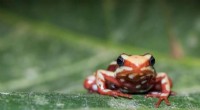
Biodiversity refers to the variety of life forms—plants, animals, microbes—within an ecosystem and the complex interactions that sustain it. It is not merely a catalogue of species; it encompasses the relationships, behaviors, and habitats that maintain ecological balance.
Every ecosystem relies on a keystone species that helps keep the system in equilibrium. Removing such a species can cascade through the food web, as illustrated in the American West, where ranchers eliminated coyotes. The disappearance of coyotes allowed deer mice populations to explode, and these mice became vectors for hantavirus, spreading the disease to humans.
Soil health is a direct product of biodiversity. Microscopic organisms—bacteria, fungi, algae—break down organic matter, while earthworms aerate and enrich the soil with their castings. This natural fertilization process creates fertile ground that supports plant growth.
Wetlands and aquatic habitats depend on diverse flora and fauna to filter pollutants. Plants absorb contaminants, while shellfish such as mussels extract excess nutrients, preventing eutrophication and the oxygen depletion that can lead to mass die‑offs.
Decomposers—including microbes and fungi—play a crucial role in recycling organic waste. Their activity transforms leaves, logs, and animal remains into nutrients, keeping ecosystems clean and reducing disease vectors.
Beyond bees, birds, bats, butterflies, and hummingbirds are essential pollinators and seed carriers. These organisms transfer pollen and disperse seeds through feeding, ensuring plant reproduction and genetic diversity.
Nature supplies roughly 50,000‑70,000 plant species used in modern medicine. Loss of any species threatens pharmaceutical discovery. Classic examples include quinine from the South American cinchona tree (malaria treatment), cortisone from Central American yams (used in birth control pills), and novacaine from coca (a dental anesthetic).
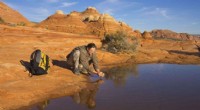
Growing appreciation for biodiversity fuels ecotourism. Sustainable tours in remote forests and jungles allow visitors to experience nature responsibly, generating revenue that supports local conservation efforts.