Tom Brakefield/Stockbyte/Getty Images
Zoology is the scientific study of all animal life, from the smallest cells to entire ecosystems. Researchers investigate anatomy, physiology, genetics, behavior, ecology, evolution, and taxonomy to uncover how animals function, interact, and adapt.
In anatomy, scientists examine external and internal structures, comparing morphologies across species to refine classification. Physiology focuses on organs, tissues, and organ systems, exploring mechanical, physical, and biochemical interactions. Cell biology reveals how individual cells operate, such as the venom‑producing nematocysts of jellyfish.
Geneticists dissect genomes to identify genes responsible for traits and adaptations. Developmental biologists study embryogenesis and growth, including how environmental cues trigger blood cell formation and other developmental pathways.
Behavioral studies observe animals in natural habitats, documenting responses to stimuli, social interactions, and breeding strategies. Ecological research tracks foraging patterns, population dynamics, and species interactions, informing conservation efforts for threatened taxa.
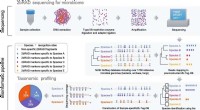
Evolutionary zoologists use fossil records and genomic data to reconstruct lineage histories and adaptive radiations. Taxonomists classify organisms, a discipline increasingly driven by DNA sequencing, and may specialize in particular groups such as vertebrates or invertebrates.