Jupiterimages/Stockbyte/Getty Images
Organisms that thrive in hostile conditions are known as extremophiles. Those that flourish in highly acidic settings—typically with a pH below 3—are called acidophiles. Acidophilic bacteria can be found in diverse habitats, from deep‑sea hydrothermal vents to geothermal springs in Yellowstone, and even inside the human stomach. Their remarkable adaptations allow them to not only survive but often dominate in these harsh environments.
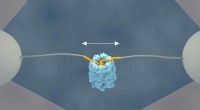
Helicobacter pylori is a spiral‑shaped bacterium equipped with multiple flagella that enables it to navigate the stomach lining. It is responsible for 80–90% of gastric ulcers. While the stomach’s pH can drop to as low as 2—conditions that denature proteins and are lethal to most microbes—H. pylori has evolved strategies to reduce its energy expenditure on acid protection. It predominantly resides within the mucus layer, where it remains shielded. When movement is necessary, it secretes a localized, buffering microenvironment that neutralizes the surrounding acidity, allowing it to traverse the gastric mucosa safely.
Thiobacillus acidophilus exemplifies a thermo‑acidophile, thriving in both high temperatures and low pH. This bacterium is frequently isolated from acidic geyser basins in Yellowstone National Park. It is also photosynthetic, harvesting solar energy to fuel its metabolism. Its survival hinges on a highly efficient proton pump that actively expels excess hydrogen ions, maintaining an internal pH that protects its cellular machinery from acid‑induced damage.
Unlike many acidophiles that rely on buffering systems, Acetobacter aceti has modified its proteins to withstand acidic conditions directly. A study published in Applied Environmental Microbiology identified over 50 specialized proteins that have evolved to confer acid tolerance. This unique adaptation has practical benefits; the species has been harnessed for millennia to produce acetic acid, the key component of vinegar.
Deep‑sea hydrothermal vents, devoid of sunlight, emit acid and other toxic substances. Yet they support complex ecosystems. One remarkable example is the symbiosis between mussels and Oligotropha corboxydovorans. The mussel provides shelter, while the bacterium consumes hydrogen released by vent fluids, generating energy that sustains both partners. By converting hydrogen into usable energy, O. corboxydovorans essentially functions as a microscopic fuel cell, turning acid production into a life‑sustaining process.