Jupiterimages/Stockbyte/Getty Images
Genotype and phenotype are foundational concepts in genetics, the science that explores heredity, genes, and biological diversity. The genotype represents an organism’s complete hereditary blueprint, while the phenotype comprises the observable traits—morphology, physiology, and behavior—that emerge from the interplay between that blueprint and environmental influences.
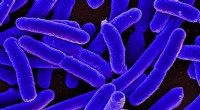
DNA is the hereditary material transmitted from parents to offspring. It is a long polymer of repeating sugar‑phosphate backbones with four nucleotide bases—adenine, thymine, cytosine, and guanine—spaced along the chain. The triplet codons of DNA encode amino acids, the building blocks of proteins. In humans, every somatic cell (except gametes) contains 46 chromosomes, arranged in 23 homologous pairs, a configuration known as the diploid number. Each parent contributes one set of 23 chromosomes during fertilization, while the resulting zygote restores the diploid count. Asexual organisms such as bacteria typically possess a single circular chromosome and may carry plasmids—small, extrachromosomal DNA fragments—that add functional versatility.
Before cell division, a cell must replicate its entire DNA sequence so that each daughter cell inherits an exact copy of the genotype. This process, tightly regulated by enzymes such as DNA polymerases and helicases, preserves genetic fidelity across generations.
Genes are the functional segments of chromosomes that encode proteins. In humans, only about 2 % of the 3 billion base pairs in the genome directly code for proteins; the remainder serves regulatory, structural, or unknown functions, as highlighted in the 2023 review by Nature Genetics. Gene expression translates this genetic code into functional proteins, which shape an organism’s physical and biochemical traits. Environmental cues—such as temperature, nutrition, and stress—can modulate gene expression, influencing traits from skin pigmentation to metabolic rates.
In diploid species, each gene exists in two copies (alleles). The relative activity of these alleles determines phenotypic outcomes, exemplified by the classic case of eye color: a brown‑eye allele is dominant over a blue‑eye allele, resulting in brown eyes when both are present.
While the precise evolutionary steps that led to DNA as the universal genetic material remain debated, the RNA World Hypothesis posits that early life relied on RNA for both genetic storage and catalytic activity. Subsequent transitions to DNA provided greater chemical stability and fidelity, enabling more complex genomes. The gradual accumulation of mutations, coupled with natural selection, has driven the diversification of genotypes and the emergence of increasingly sophisticated organisms.
Phenotypic traits arise through the transcription of DNA into messenger RNA (mRNA) and the translation of mRNA into proteins. Sophisticated regulatory networks control when, where, and how much of each gene is expressed, allowing a single genotype to produce diverse phenotypes across different tissues and developmental stages.
Although genotype largely determines phenotype, extrinsic factors—such as developmental environment, disease, injury, or lifelong experiences—can profoundly alter observable traits. For instance, maternal malnutrition during pregnancy can disrupt fetal gene expression and lead to lasting phenotypic changes.