Duncan Smith/Stockbyte/Getty Images
Ribonucleic acid (RNA) is essential to cellular life, serving as a messenger that conveys genetic information from DNA to the cell's protein‑synthesizing machinery. Ribosomal RNA combines with proteins to form ribosomes, the protein factories of the cell. Transfer RNA brings amino acids to ribosomes, enabling the translation of messenger RNA into polypeptide chains. Other RNA species regulate cellular activity. The enzyme RNA polymerase (RNAP), existing in multiple forms, orchestrates the elongation of RNA strands during DNA transcription.
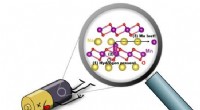
In eukaryotic cells, RNAPs are classified as I through V, each with a distinct structure and producing a specific class of RNA. For instance, RNAP II synthesizes messenger RNA (mRNA). Prokaryotic cells possess a single RNAP type. The enzyme comprises several protein subunits that coordinate various functions during transcription. A magnesium-bound active site within the complex adds sugar‑phosphate units to the nascent RNA, appending nucleotide bases in accordance with base‑pairing rules.
DNA’s backbone consists of alternating sugar and phosphate residues, with four nitrogenous bases—adenine (A), thymine (T), cytosine (C), and guanine (G)—attached to each sugar. The sequence of base pairs along DNA dictates the amino‑acid sequence of proteins. DNA typically adopts a double‑helix conformation, where A pairs with T and C pairs with G. RNA, a single‑stranded analogue, follows the same pairing logic but substitutes uracil (U) for thymine.
Initiation requires a complex of protein initiation factors and RNA polymerase that recognizes promoter regions on DNA. These promoters demarcate transcription units—clusters of one or more genes. The RNAP complex unwinds a short segment of the double helix to form a transcription bubble, then reads the template strand base by base to begin RNA synthesis.
Before true elongation, the RNAP complex may perform false starts, transcribing roughly ten nucleotides before aborting and restarting. Elongation commences once the initiating factors detach, freeing RNAP to recruit elongation factors that facilitate bubble movement along DNA. The polymerase then extends the RNA strand, incorporating complementary nucleotides. If a mispair occurs, RNAP can cleave and resynthesize the faulty segment. Transcription terminates when the enzyme encounters a stop sequence; the completed RNA transcript, along with the initiation factors and DNA, is released.