Mary Shelley’s 1818 novel Frankenstein remains a touchstone for debates about the boundaries of science. In this article we compare the fictional creation of the monster with real‑world cloning, focusing on three key parallels: the absence of natural reproduction, the use of genetic material, and ethical implications.
Both Frankenstein’s experiment and contemporary cloning bypass sexual reproduction. Dr. Victor Frankenstein assembled his creature from cadaver parts, while scientists create clones by inserting donor DNA into an enucleated egg, sidestepping traditional fertilization.
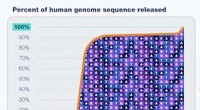
In the novel, the monster is pieced together from disparate corpses, whereas cloning employs DNA harvested from living or deceased donors. The Human Genome Project identifies three cloning modalities: DNA, therapeutic, and reproductive. Reproductive cloning, for instance, requires a donor nucleus inserted into an egg and stimulated—often with electric impulses—to trigger cell division, mirroring Frankenstein’s use of electricity.
Both practices ignite debate. Religious and societal concerns question whether humans should ‘play God.’ Cloning’s potential to generate organs (therapeutic cloning) or whole organisms (reproductive cloning) echoes Frankenstein’s moral dilemmas. Critics argue that both violate natural limits, while proponents highlight medical breakthroughs.
By juxtaposing Shelley’s imaginative narrative with the tangible realities of cloning, we see how the themes of creation, responsibility, and ethics remain as resonant today as they were in 1818.