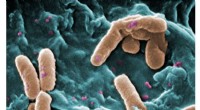
Dinoflagellates are single‑cell protists that photosynthesize using chlorophyll to absorb light. Their unique blue‑green pigment enables them to convert sunlight into energy, and when stressed or agitated, they emit a faint blue glow.
When millions of dinoflagellates cluster together, their collective bioluminescence becomes visible from shore, especially at night. The phenomenon is amplified by the bay’s low light levels and calm waters.
Bioluminescent Bay’s small size and dense mangrove shoreline create a perfect environment for dinoflagellates. Mangroves release vitamin B12 into the water after heavy rains—a vital nutrient that fuels dinoflagellate growth. Slow water movement keeps them concentrated, so a sudden influx of nutrients triggers a bioluminescent bloom.
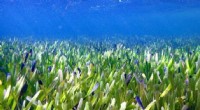
Bioluminescent Bay is one example of plankton blooms worldwide. In the Arctic Ocean and Gulf of Maine, large phytoplankton blooms have grown annually. Some blooms produce red tides, harmful algal blooms that threaten marine life.
By Drew Lichtenstein | Updated Aug 30, 2022