By Sukhsatej Batra, Ph.D. | Updated Aug 30, 2022
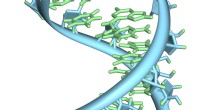
Recombinant DNA, the cornerstone of modern genetic engineering, modifies an organism’s genome by inserting DNA from another species. In agriculture, this technique has given rise to genetically‑modified organisms (GMOs) that deliver crops with enhanced performance, resilience, and nutritional value.
By introducing a bacterial gene that confers tolerance to a specific herbicide, farmers can apply that herbicide to control weeds without harming the crop. Genetically‑modified soybeans, corn, cotton, potatoes, and wheat are now routinely grown with herbicide resistance, leading to higher yields and reduced need for toxic chemicals.
Bt (Bacillus thuringiensis) toxin genes, inserted into corn and cotton genomes, produce an insecticidal protein that targets key pests. These Bt crops self‑supply the pesticide, dramatically lowering external insecticide applications. Similar strategies have produced papaya varieties in Hawaii that resist viral infections, safeguarding harvests.
Ongoing research is expanding the toolbox: heat‑tolerant varieties, crops with higher vitamin content, and even plants engineered to manufacture human vaccines or therapeutic proteins. These innovations promise to address climate change, nutritional deficiencies, and global health challenges.
GM foods now constitute a large share of the market. They increase overall production, cut herbicide and insecticide usage, and lower production costs. The result is more food available at lower prices, benefiting both producers and consumers alike. Recombinant DNA technology is therefore a pivotal component of modern food security.