Digital Vision/Photodisc/Getty Images
When we walk through a park and spot a mixed‑breed dog, we can instantly infer its lineage by its physical traits. These traits are inherited from its parents, just as every living organism inherits its DNA from its ancestors. The remarkable similarity of the genetic code among all life forms indicates that this code traces back to a single, ancient progenitor.
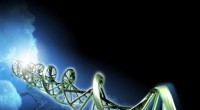
About 3.5 billion years ago, spontaneous, self‑sustaining chemical reactions in the primordial oceans gave rise to the first replicating molecules. From these humble beginnings, all subsequent life has been built from one or two parents that pass on long strands of deoxyribonucleic acid (DNA).
DNA encodes proteins, the building blocks of cells and the determinants of an organism’s structure and function—from digestion to skin formation. While proteins are not copied directly from DNA, a sophisticated translation system, the genetic code, interprets DNA sequences into amino acid chains.
DNA is composed of four nucleotides—adenine (A), thymine (T), cytosine (C), and guanine (G). Groups of three nucleotides, called codons, specify individual amino acids. Across Earth’s biosphere, the mapping between codons and amino acids is essentially identical, underscoring a shared genetic heritage. The sole notable deviation occurs in mitochondrial DNA, which uses a slightly altered code due to its bacterial ancestry.
While morphological similarities can suggest shared ancestry, the uniformity of the genetic code provides a more fundamental link. The near‑identical codon–amino acid relationships across all organisms strongly support the hypothesis that life originated from a single ancestral organism billions of years ago.