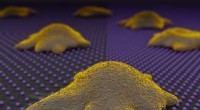
Microbes—including bacteria and fungi—are single‑cell organisms that reproduce rapidly, making them ideal for laboratory study. When a new microbe is isolated from nature, it is first cultured in a liquid medium known as broth, which contains sterilized water, salts, sugars, and other nutrients that support swift bacterial growth in a flask.
Agar, a seaweed‑derived gelatinous substance, is blended with nutrients to form a semi‑solid gel. This medium provides a smooth, inert surface that allows a single bacterium to multiply into a visible colony.
Three items are required: an agar plate, a small alcohol lamp (to sterilize), and a sterile wire loop. The loop carries a tiny amount of broth as it is transferred onto the plate.
Place the plate in an incubator (or at room temperature) and allow 12–24 hours for colonies to develop.
Accurate isolation is critical for downstream applications—antibiotic screening, mutagenicity assays, and biochemical pathway studies all rely on pure cultures. Mastery of agar streaking ensures reproducible, trustworthy results.