By Kimberly Yavorski, Mar 11, 2023 11:15 pm EST
Photo by Joel Sharpe/Moment/GettyImages
In ecology, the health of an ecosystem hinges on the dynamic interplay between abiotic (non‑living) and biotic (living) factors. Abiotic elements—such as sunlight, temperature, wind, water, soil, and natural disturbances like storms, fires, and volcanic eruptions—provide the physical framework. Biotic components—plants, animals, microorganisms, and even human activity—populate that framework, influencing and being influenced by the abiotic environment. A balanced mix of both is essential for long‑term ecosystem resilience.
Abiotic and biotic factors together form an ecosystem. Non‑living elements include climate and geology, while living organisms range from microbes to mammals. Their interactions dictate ecosystem structure and function.
Abiotic components are typically divided into climatic, edaphic, and other non‑living processes. Climatic factors such as air temperature, wind, and precipitation determine which species can thrive. Edaphic factors—including topography, soil texture, moisture, salinity, pH, and aeration—shape plant communities and, by extension, the animals that depend on them.
Temperature changes influence plant germination, growth cycles, and animal migration or hibernation patterns. Unexpected shifts—like El Niño events—can trigger rapid ecological responses, sometimes positive (e.g., increased nutrient runoff) or negative (e.g., crop failure). In coral reef systems, warming waters may push species beyond their thermal limits, leading to bleaching or shifts in community composition.
Edaphic variables often affect larger organisms more strongly. For example, elevation alters tree diversity in montane forests, while soil composition determines whether a plant can compete for light and nutrients. In many habitats, abiotic conditions also set the stage for biotic interactions, such as competition or facilitation among tree species.
Abiotic factors are seasonal in temperate zones. Regular cycles of temperature, precipitation, and daylight drive plant phenology and, in turn, the life cycles of herbivores and predators. This seasonal rhythm promotes biodiversity and stabilizes populations by creating predictable niches.
Sudden abiotic disturbances—droughts, storms, floods, fires, and volcanic eruptions—can dramatically reshape ecosystems. While infrequent, these events can create opportunities for regeneration and succession, provided they are not too frequent or widespread. The net effect often depends on the ecosystem’s inherent resilience and the frequency of disturbances.
Drought can kill vegetation, forcing herbivores to relocate and potentially disrupting the entire food web. Storms deliver essential rainfall but also cause physical damage; the resulting canopy gaps can open space for new growth, but severe storms may erode soils and destabilize slopes.
Floods can both enrich floodplains with nutrient‑laden sediment and, when extreme, submerge habitats, killing terrestrial and aquatic life. Fire acts as both a destructive and rejuvenating force—destroying existing biomass while triggering seed germination and clearing undergrowth.
Volcanic eruptions initially devastate local ecosystems but deposit nutrient‑rich ash that can enhance soil fertility in the long term. However, the accompanying ash plume can acidify waters and reduce oxygen levels, impacting aquatic communities.
Climate change is amplifying these disturbances, making rapid adaptation a pressing challenge for many ecosystems worldwide.
Biotic factors encompass all living organisms, from microscopic bacteria to large mammals. Microbes dominate in abundance and reproduce rapidly, enabling swift colonization of new habitats via wind, water, or animal vectors. Their simplicity allows them to thrive across diverse environmental gradients.
Interactions among biotic agents—competition for light, nutrients, or space; predation; mutualism; and disease transmission—shape community structure. For instance, pollinators are vital for plant reproduction, while invasive species can outcompete natives, destabilizing ecosystems.
Predators exert top‑down control, with their population size, diet, and hunting strategy influencing prey dynamics and overall biodiversity. When multiple predators share the same prey, they can suppress that prey population more effectively, sometimes creating trophic cascades.
Biotic processes can also modulate abiotic conditions. Overpopulation of a species may alter nutrient cycling, while dense vegetation can reduce solar radiation reaching the soil, affecting microclimates.
Organisms in an ecosystem can be categorized as autotrophs, heterotrophs, or decomposers. Autotrophs—primarily plants and algae—produce energy via photosynthesis, harnessing sunlight, water, and minerals. Heterotrophs—including herbivores, carnivores, and omnivores—obtain energy by consuming other organisms. Decomposers, such as fungi and detritivores, break down dead matter, returning nutrients to the soil and sustaining the cycle of life.
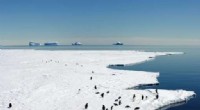
The Arctic and Antarctic present extreme cold, with minimal solar radiation and short growing seasons. In the Arctic National Wildlife Refuge, the growing season spans only 50–60 days, with temperatures ranging from 2–12 °C, while winter temperatures can plummet to –34 °C to –51 °C. High winds up to 160 km/h can expose organisms to ice crystals, yet many Arctic species have adapted with insulating fur, fat layers, and behavior such as burrowing.
Arid deserts, on the opposite end, impose intense heat, scarce rainfall, and coarse soils. Temperatures may reach 49 °C (120 °F), with limited precipitation and minimal water tables. Survival strategies include succulent water storage, nocturnal activity to avoid heat, and rapid reproductive cycles after rainfall events.
Both extremes underscore how abiotic pressures shape biotic communities, driving specialized adaptations and influencing ecological interactions.