When most people think of poisonous animals, birds are not the first that come to mind. Yet several bird species have evolved to store toxins from their diet, making them hazardous to humans and predators alike.
Unlike snakes or frogs that produce their own poisons, these birds sequester compounds from plants or insects and incorporate them into their feathers or skin. This process, known as heteroagglomerative toxin accumulation, grants them a defensive edge while keeping them safe from the toxins themselves.
Below are five of the most well‑documented poisonous birds, each with a unique story of how they acquire and utilize their lethal defenses.
feathercollector/Shutterstock
The Hooded Pitohui, native to New Guinea, is often called the “king” of poisonous birds. Its plumage is a striking blend of red‑brown and black, and its body measures 8.7–9.1 inches (22–23 cm) long, weighing roughly 2.3–2.7 oz (65–75 g). Although it appears harmless, the bird’s skin and feathers are coated with batrachotoxin—a potent neurotoxin also found in poison dart frogs.
Contact with the toxin can cause numbness, tingling, or mild skin irritation, but it is not typically life‑threatening to humans. The source of batrachotoxin is believed to be the Choresine beetles that the Pitohui preys on.
Lev Frid/Shutterstock
The Blue‑Capped Ifrita, another New Guinea species, boasts a bright yellowish‑brown body with a striking blue‑black crown. At about 6.5 inches (16 cm) long, it is even more compact than the Pitohui. Like its cousin, the Ifrita stores batrachotoxin on its feathers and skin, rendering it irritant to touch.
Indigenous communities have dubbed the bird “Slek‑Yakt” or “bitter bird,” noting that consuming it produces a burning mouth sensation and that inhaling its plumage can trigger coughing and allergy‑like reactions. The toxin is also thought to originate from Choresine beetles.
Cagan Hakki Sekercioglu/Getty Images
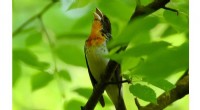
Common in the Mexican highlands, the Red Warbler displays a vivid crimson plumage. Its cheek patch varies by region—white in central and southern Mexico, silvery gray in the northwest.
Although its exact toxin has not been chemically identified, the warbler is known to carry two neurotoxic alkaloids. The birds are insectivorous, likely acquiring the toxins from specialized beetles or other arthropods in their diet. Historical records from the Aztecs noted that the bird was inedible.
sweet marshmallow/Shutterstock
Also known as the common quail, this small, light‑brown gamebird has been linked to a human poisoning condition called coturnism. During spring and fall migrations, the quail feed on hemlock seeds, accumulating coniine—a toxic alkaloid.
Humans who consume the toxic quail can experience weakness, severe muscle pain, lower‑limb paralysis, vomiting, and even kidney or heart failure. The quail’s resistance to coniine allows it to carry the toxin without harm, but it remains a danger to those who eat it during toxic periods.
Wirestock Creators/Shutterstock
As the largest waterfowl on Earth, the Spur‑Winged Goose can weigh up to 20 lb (9 kg). It is known for its aggressive, territorial behavior and a distinctive spur on its wings.
Geese from the Gambia region consume blister beetles, which contain cantharidin. The toxin is sequestered in the goose’s tissues, providing a protective layer against predators. While the birds tolerate cantharidin, even 10 mg of the compound can be fatal to humans.
For these reasons, the Spur‑Winged Goose is best approached with caution—and never eaten.