reptiles4all/Shutterstock
Spider phobia affects roughly 3%–15% of people worldwide. Among the many species that can trigger anxiety, one stands out for its sheer size and name: the Goliath birdeater (Theraphosa blondi).
Native to the tropical rainforests of northern South America, this tarantula boasts a leg span of up to one foot and a body length approaching five inches. With a weight that can exceed six ounces, it is the heaviest and one of the most imposing spiders on the planet. Fortunately, its preferred habitat—wet marshes and burrows in dense jungle—makes it unlikely to seek refuge in a human dwelling.
Beyond its gigantic dimensions, the Goliath birdeater displays notable sexual dimorphism. Females, which can live for about two decades, outlive males by far; the latter typically die within three to six years, shortly after mating. While it is classified as one of the more aggressive tarantulas, its predatory behavior remains far from menacing in everyday encounters.
Dan Olsen/Shutterstock
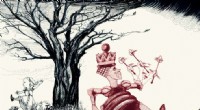
Although its name implies a penchant for avian prey, the Goliath birdeater seldom eats birds. Historical accounts—ranging from 19th‑century engravings to 16th‑century explorer reports—have inspired the nickname, but the spider’s diet is primarily composed of crickets, lizards, and frogs. On occasion, it will capture larger prey such as mice, and indeed birds can be taken, though these events are infrequent.
Active at night, the spider waits in abandoned burrows for unsuspecting prey. It employs a unique hunting technique: fangs inject digestive enzymes that liquefy the internal organs of the victim, allowing the spider to ingest the nutrients in a fluid form—a process reminiscent of scenes from a horror film, but a natural adaptation that ensures efficient nutrient extraction.
Its venom poses no threat to humans; it is significantly milder than the bite of the brown recluse, for instance. Nevertheless, the Goliath birdeater is highly territorial. When confronted, it may emit a loud hiss and release a spray of barbed urticating hairs that can lodge in skin and eyes, serving as a deterrent against potential threats.