When a species becomes a pest that outcompetes native flora and fauna, the term “invasive” is applied. Unlike exotic or non‑native species, an invasive species must spread rapidly, displace local populations, and inflict ecological or economic harm. These conditions make eradication daunting, yet several remarkable cases show that science, collaboration, and persistence can win the battle.
The European grapevine moth (Scrobipalpa ocellatella) is native to southern Italy and has spread across Europe, Africa, the Middle East, Russia, Japan, and Chile. In 2009, it was first detected in Napa County, California, threatening the state’s viticulture. That year, 10 acres of vineyards lost 100 % of their crop due to fungal rot and larval damage. Statewide quarantines, extensive trapping, regular inspections, mating‑disruption techniques, and targeted insecticides were deployed. By 2016, the moth was declared eradicated from California—an achievement credited to the coordinated effort of growers, the University of California, and federal, state, and local agencies.
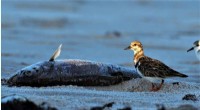
Since 2010, the Orkney archipelago (70 islands, 20 inhabited) has struggled with invasive stoats (Mustela erminea). Stoats, relatives of ferrets and weasels, lack natural predators in the islands and prey on a wide range of species, from eggs to small mammals. The Orkney Native Wildlife Project launched a comprehensive campaign using more than 8,000 lethal‑humane trap boxes, professional trappers, and Europe’s first stoat detection dogs. Since 2019, over 6,000 stoats have been removed, resulting in a dramatic rebound of native birds such as curlews, oystercatchers, and hen harriers. The project now focuses on targeted trapping informed by sightings and canine detection, with volunteer reporting remaining crucial for final eradication.
In 2019, the giant Asian hornet (Vespa mandarinia) was detected in Vancouver Island and the northwestern corner of Washington. While primarily a threat to honey bees, the hornets’ 6‑mm stingers and potent venom garnered widespread alarm. The Washington Department of Agriculture, together with the U.S. Department of Agriculture, eradicated the hornets by December 2024. Unconventional tactics—such as attaching tracking devices with dental floss to three hornets and following one back to its nest—combined with community‑reported sightings and widespread trapping yielded zero detections since 2021. British Columbia achieved the same result, making this one of the most comprehensive victories against an invasive insect in North America.
Indiana Dunes National Park’s wetlands once suffered from aggressive invasives: common reed (Phragmites australis), hybrid cattail (Typha X glauca), purple loosestrife (Lythrum salicaria), and non‑native thistles (Cirsium sp.). By 2005, the West Beach pannes were dominated by these species, threatening water quality and erosion control. In 2009, the park partnered with the Great Lakes Invasive Plant Management Team to apply annual herbicide treatments targeting each species. After nearly 20 years of consistent effort, the National Park Service reports a “healthy panne” teeming with native biodiversity—a testament to long‑term restoration science.
California faced its largest fruit‑fly outbreak ever in 2023, with the arrival of Tau and Queensland species—previously absent from the United States. USDA APHIS, the California Department of Food and Agriculture, and local agricultural commissions launched a five‑species eradication program targeting Oriental, Tau, Queensland, Mexican, and Mediterranean fruit flies. Strategies included mass trapping, fruit removal, sterile‑fly releases, and organic treatments such as Spinosad. By August 2024, authorities declared California fruit‑fly free, restoring confidence for growers and consumers alike.
These five cases demonstrate that with scientific rigor, interdisciplinary collaboration, and public engagement, invasive species can be successfully removed—protecting ecosystems, economies, and our planet’s future.