Shafayet Mostafa / 500px/Getty Images
When we think of a summer barbecue or a quiet lakeside picnic, a common worry is the buzz of mosquitoes. These insects have long been a nuisance, but their impact is far more serious. According to CBS News, mosquitoes are responsible for an estimated 50 billion human deaths throughout history and currently cause tens of thousands of illnesses worldwide. It is no wonder that many envision a world free of these biting insects.
Yet mosquitoes also play vital ecological roles. With more than 3,500 described species—most of which are harmless to humans—they inhabit every continent except Antarctica and serve as a crucial food source for amphibians, fish, birds, and even larger insects like dragonflies. The prospect of eradicating them raises important questions about the balance between public health and ecosystem integrity.
Jaromir Chalabala/Shutterstock
Only a fraction of mosquitoes transmit disease. In the United States, the CDC identifies 200 species, but only 12 are known vectors of illnesses such as malaria, dengue fever, Zika virus, and West Nile virus. Mosquito‑borne diseases have historically caused significant casualties, including during the Revolutionary War when malaria claimed many British soldiers. Eliminating these disease‑spreading species could dramatically reduce morbidity and mortality.
It is worth noting that mosquitoes also transmit pathogens to other wildlife, including prehistoric dinosaurs. A global reduction in mosquito populations could therefore protect a broader range of species from vector‑borne diseases.
Schlegelfotos/Getty Images
After heavy rainfall, hurricanes, or floods, stagnant water becomes breeding grounds for both nuisance and disease‑carrying mosquitoes. Nuisance species often surge immediately after flooding, while vector species may increase over the following weeks. Removing mosquitoes would ease post‑disaster recovery, allowing emergency workers to focus on rebuilding without the added challenge of mosquito control.
Enrikoart/Getty Images
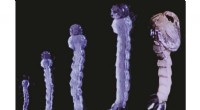
Mosquitoes provide a food source for many organisms, from small aquatic larvae to large predatory insects. While most predators have diverse diets, the sudden absence of a significant prey item could create ripple effects, especially in ecosystems where mosquito populations are a substantial protein source for amphibians and birds during certain seasons.
Kuritafsheen/Getty Images
Beyond their role as pests, some mosquitoes, especially males, feed exclusively on nectar and act as pollinators for certain plants, including rare wild orchids that rely almost exclusively on mosquito visits. Although most flowering plants depend on bees and butterflies, the loss of mosquito pollinators could marginally reduce pollination diversity and affect plant reproduction, potentially influencing crop pollination networks that involve over 1,200 agricultural species.
IhorM/Shutterstock
Out of the 3,500+ species, only about 400 are known disease vectors. Broad‑scale eradication would inadvertently eliminate many harmless species that contribute to ecosystem services. A targeted approach that focuses on removing only the vector species—while preserving benign mosquitoes—would balance human health benefits with ecological conservation.
bdavid32/Shutterstock
Insecticides and large‑scale pesticide campaigns are commonly employed to curb mosquito populations. While effective, these chemicals can also harm non‑target organisms, including beneficial insects, aquatic life, and even human health. Biological control methods, such as introducing natural predators or sterilizing mosquitoes, offer alternatives but must be carefully evaluated to avoid unintended ecological consequences.
Frankramspott/Getty Images
Complete removal of mosquitoes could create ecological vacancies that more aggressive insects might fill. Some experts warn that new species could evolve to exploit human hosts, potentially transmitting novel pathogens. The uncertainty surrounding such outcomes underscores the importance of a measured, science‑based approach to vector control.