Box jellyfish may appear graceful, but certain species harbor the most potent marine venom known. Within two to five minutes of a sting, victims can experience severe pain, hives, tissue damage, a drop in blood pressure, irregular heartbeats, respiratory failure, and ultimately cardiac arrest, often leading to death.
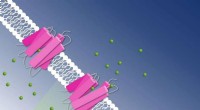
The venom is a complex cocktail of lipids, carbohydrates, proteins, and small molecules. Key toxins, CfTX‑1 and CfTX‑2, target the heart and nervous system, rapidly inducing cardiac arrest. Research published in Toxicon X suggests that intense pain arises from disruption of ion channels in pain‑sensing neurons.
Venom is stored at high pressure inside tiny harpoons in nematocytes that line the entire length of the tentacles. When contact is made, the harpoons fire at an acceleration 50 times greater than a bullet, delivering venom in a matter of milliseconds. Tentacles can grow to 10 ft, wrapping around the victim and injecting toxins wherever they touch.
Unlike many jellyfish, box jellyfish can swim in a specific direction at speeds up to 4 knots. Their bell carries eye clusters—each with a lens, cornea, retina, and iris that constricts in bright light—yet they lack a true nervous system, making their sensory processing mysterious.
There are about 50 box jellyfish species; most are harmless to humans. Only a handful, mainly found in northern Australia and the Indo‑Pacific, are highly venomous. The Australian box jellyfish (Chironex fleckeri) is the most deadly and largest, reaching 1 ft across the bell and bearing 10‑ft tentacles.
Scientists believe the venom’s power serves two purposes: it instantly incapacitates prey, preventing struggle that could damage the jellyfish’s delicate tentacles, and it acts as a deterrent against predators. This strategy mirrors other potent marine toxins, such as the blue‑ringed octopus.
Currently, no effective antivenom exists for box jellyfish venom. The difficulty lies in extracting enough active venom—heat denatures it—while variations in extraction methods produce inconsistent venom profiles.
For survivors, several treatments mitigate damage. A study in Military Medicine found that copper gluconate spray and cream (StingNoMore) reduced tissue damage and hemolysis in pigs. Vinegar rinses followed by heat packs also lowered tissue damage, though not as effectively as StingNoMore. In contrast, saline rinses with ice packs worsened tissue damage.
Historically, 77 people have died in the last century from Chironex fleckeri stings. While the creature’s beauty is undeniable, avoiding contact remains the safest strategy.
pawanya phatarakulkajorn/Shutterstock
Petekaras/Getty Images