Kwangmoozaa/Shutterstock
When you experience itchy skin, you might first suspect dry skin, hives, insect bites, eczema, psoriasis, or an allergic reaction to chemicals or fabrics. Recent research from Harvard Medical School’s Chiu Lab, published in the journal Cell, reveals that Staphylococcus aureus can trigger itching by directly stimulating sensory nerves in the epidermis.
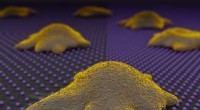
S. aureus is a coccus bacterium. The study shows that when the skin’s microbiome balance is disrupted, the bacterium proliferates. Contact with the bacteria releases an enzyme, protease V8, which activates the epidermal nerve protein PAR1. This activation initiates a signaling cascade that conveys itch signals to the brain, producing the itch‑scratch cycle.
In mouse models, exposure to S. aureus produced intense itching that persisted for days and caused widespread skin damage beyond the initial site as mice scratched relentlessly. Lead author Isaac Chiu noted, “We have uncovered a novel mechanism by which Staph aureus itself induces itch, a finding especially relevant to patients with atopic dermatitis.”
Ilexx/Getty Images
Discovering that S. aureus releases a molecule that engages the PAR1 protein is only the first part of the story. The researchers also tested whether blocking PAR1 could alleviate itching. Because PAR1 is involved in blood clotting, they administered an anticoagulant that inhibits the protein to S. aureus‑infected mice. The treatment yielded rapid improvement: scratching decreased dramatically, and secondary skin damage was reduced.
These results suggest that PAR1 antagonists could be repurposed as anti‑itch agents or serve as a basis for a topical cream. The therapy could be particularly beneficial for inflammatory skin disorders such as atopic dermatitis, where human samples consistently showed higher levels of S. aureus and protease V8 compared to healthy skin.
The study also raises intriguing questions about why S. aureus induces itch. Co‑author Liwen Deng speculates that the itch‑scratch cycle might facilitate bacterial dissemination to new sites or hosts. Further research is needed to confirm this hypothesis and determine whether other bacteria can trigger similar responses.