1. Energy Flow and Metabolism:
* Cells are open systems: They constantly exchange energy and matter with their environment. This allows them to maintain a low internal entropy (high order) by exporting waste and dissipating heat.
* Metabolic reactions: Cells break down complex molecules (like food) into simpler ones, releasing energy (exergonic reactions) and increasing entropy in the environment. This energy is then used to build new molecules (anabolic reactions) and decrease entropy within the cell. This process is constantly balancing entropy increase and decrease.
* Entropy as a driving force: The tendency towards increased entropy drives many metabolic processes, such as the breakdown of glucose to generate ATP (cellular energy).
2. Cellular Organization and Structure:
* Cellular compartments: Cells are highly organized with compartments like the nucleus, mitochondria, and endoplasmic reticulum. This compartmentalization helps maintain order and minimize entropy within specific regions.
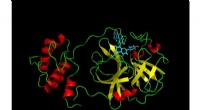
* Protein folding: Proteins have specific three-dimensional structures that are crucial for their function. This folding process is a complex, energy-consuming process that decreases entropy in the protein itself.
3. DNA Replication and Information Transfer:
* DNA replication: The copying of DNA, while seemingly a process of increasing entropy, is actually driven by a complex set of enzymes that maintain high fidelity and minimize errors. This ensures the accurate transfer of genetic information and the preservation of cellular order.
* Transcription and translation: These processes, which convert DNA into proteins, involve complex molecular machinery that decreases entropy in the specific molecules involved.
4. Cell Death and Entropy:
* Apoptosis: Programmed cell death is a tightly controlled process that breaks down cellular structures and increases entropy. This is essential for maintaining tissue homeostasis and preventing uncontrolled cell growth.
* Necrosis: Uncontrolled cell death leads to a rapid increase in entropy as the cell breaks down and releases its contents into the surrounding environment.
In Summary:
Cells constantly battle entropy by harnessing energy from their environment to maintain order and complexity. They achieve this by carefully regulating metabolic processes, compartmentalizing structures, and efficiently transferring and replicating genetic information. The delicate balance between entropy and order is crucial for cell survival and function.
Important Note:
It is essential to remember that life doesn't violate the second law of thermodynamics (which states that entropy always increases in an isolated system). Cells are not isolated systems; they constantly interact with their surroundings, taking in energy and releasing waste, thereby contributing to the overall increase in entropy of the universe.