1. Molecular Recognition and Interactions:
* Specificity: Molecules interact with each other based on their shape, like a lock and key. This precise fit ensures that only the correct molecules bind and react, enabling highly specific biological processes.
* Enzymes: Enzymes, the catalysts of life, rely on their unique shapes to bind to specific substrates and facilitate reactions. They can only bind to molecules that fit their active site, like a puzzle piece.
* Receptors: Receptors on cell surfaces are shaped to recognize and bind to specific signaling molecules, triggering a response within the cell. This allows cells to communicate and coordinate activities.
* Antibodies: Antibodies, part of the immune system, bind to specific antigens based on their shape, marking them for destruction.
2. Structure and Function of Macromolecules:
* Proteins: The shape of a protein is determined by its amino acid sequence, and this shape dictates its function. For example, fibrous proteins like collagen provide structural support, while globular proteins like enzymes catalyze reactions.
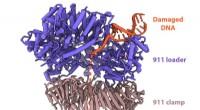
* DNA and RNA: The double helix shape of DNA allows it to store genetic information and replicate. The single-stranded structure of RNA allows it to fold into complex shapes that enable various functions, like carrying genetic information or catalyzing reactions.
3. Membrane Function:
* Cell Membranes: The phospholipid bilayer that forms cell membranes is shaped in a way that allows it to act as a barrier, regulating the passage of molecules into and out of the cell.
* Transport Proteins: Specific transport proteins embedded in cell membranes have shapes that allow them to bind to and transport certain molecules across the membrane.
4. Drug Design:
* Targeted Therapies: Understanding the shape of molecules involved in disease processes allows scientists to design drugs that specifically target those molecules and disrupt their function.
* Drug Delivery: The shape of drug molecules can influence their absorption, distribution, and elimination, impacting their effectiveness.
In Conclusion:
The shape of a molecule is a crucial determinant of its function in living systems. It dictates how molecules interact, how macromolecules assemble, how cell membranes function, and how drugs are designed. This intricate interplay of shape and function is fundamental to the complex and fascinating world of biology.