1. Nitrogen in Organic Compounds:
* Proteins: The building blocks of life, proteins contain nitrogen in amino acids. We obtain protein from various sources, including meat, fish, eggs, dairy products, legumes, and nuts.
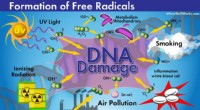
* Nucleic Acids (DNA and RNA): These vital molecules responsible for genetic information contain nitrogenous bases.
* Other Organic Molecules: Nitrogen is also present in vitamins, hormones, and other essential organic compounds.
2. Inorganic Nitrogen:
* Nitrate (NO3-): Found in some vegetables, particularly leafy greens like spinach and lettuce. It is also added to some processed foods as a preservative.
* Nitrite (NO2-): Present in cured meats and can be formed during the digestion of nitrates.
How We Get Usable Nitrogen:
* Plants: Plants are the primary producers of usable nitrogen. They convert atmospheric nitrogen into usable forms through nitrogen fixation, primarily by bacteria living in their roots. We then consume these plants or animals that eat these plants.
* Bacteria: Some bacteria in our intestines can also help with nitrogen fixation, although this contribution is relatively small.
Important Note: While we can consume inorganic forms of nitrogen like nitrate and nitrite, they are less efficient than the organic forms found in protein and other organic molecules.
Let me know if you'd like to know more about nitrogen fixation or the specific roles of nitrogen in the body!