Here's why:
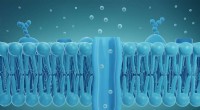
* Compartmentalization: Organelles are essentially membrane-bound compartments within a cell, each with a specific function. This compartmentalization is crucial for:
* Efficiency: Organelles concentrate enzymes and substrates, speeding up reactions.
* Regulation: Each organelle can maintain a unique internal environment, allowing for independent control of processes.
* Protection: Harmful or incompatible reactions can be isolated, preventing damage to the cell.
Examples of organelles and their functions:
* Nucleus: Contains DNA and is responsible for controlling cellular activities.
* Mitochondria: The powerhouse of the cell, responsible for ATP production through cellular respiration.
* Endoplasmic reticulum (ER): A network of membranes involved in protein synthesis, lipid metabolism, and detoxification.
* Golgi apparatus: Packages and sorts proteins and lipids for secretion or delivery to other organelles.
* Lysosomes: Contain enzymes for breaking down cellular waste products and foreign materials.
* Peroxisomes: Contain enzymes for breaking down fatty acids and detoxifying harmful substances.
By isolating specific chemical activities within organelles, cells can carry out a wide range of complex processes simultaneously without interference or conflict.